Common Cleaning Myths Debunked by Kirksey Cleaning Experts
Understanding Common Cleaning Myths
When it comes to keeping your home spotless, many of us rely on advice passed down through generations. However, not all of these tips are as effective as they claim to be. The experts at Kirksey Cleaning are here to debunk some of the most common cleaning myths, helping you achieve a truly clean home.
Myth 1: Vinegar Cleans Everything
Vinegar is often touted as a universal cleaner, but it has its limitations. While it's great for removing odors and cleaning glass, it can damage certain surfaces. For instance, vinegar can erode natural stone surfaces like marble and granite. Always test a small area before applying it to a larger surface.
Instead, for stone surfaces, consider using a cleanser specifically designed for that material to avoid any potential damage.

Myth 2: More Detergent Equals a Cleaner Result
Using more detergent might seem like a surefire way to achieve a cleaner outcome, but it can actually lead to the opposite effect. Excess detergent can leave a residue that attracts dirt and grime, making your surfaces look dull over time.
It's essential to follow the manufacturer's instructions for the right amount of detergent. Less is often more, ensuring your surfaces are truly clean and residue-free.
Myth 3: Bleach Is the Best Disinfectant
Bleach is a powerful disinfectant, but it's not always the best choice for every cleaning task. While it effectively kills germs, it can also be harsh on certain materials and surfaces. Additionally, bleach does not clean dirt or grime; it only disinfects.
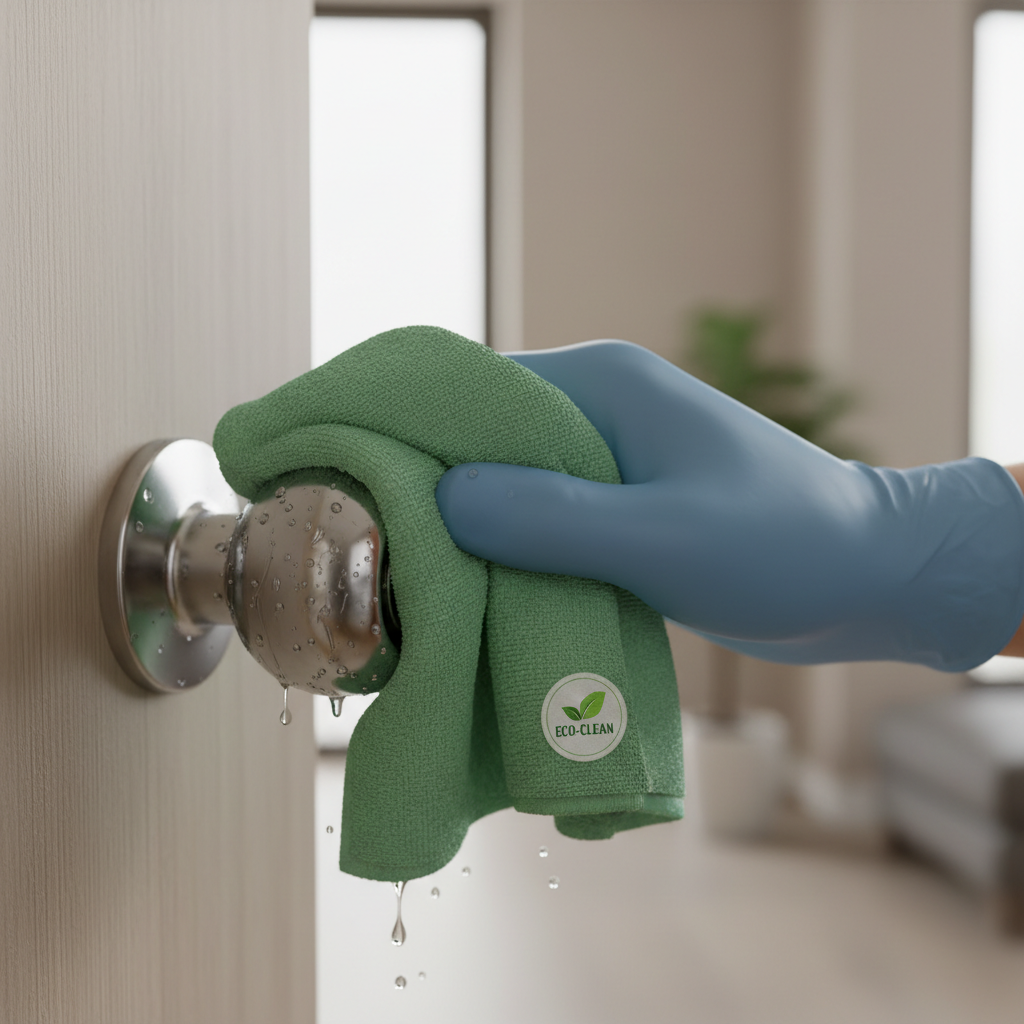
For everyday cleaning, consider using multi-surface cleaners that both clean and disinfect. These are often gentler on surfaces and still provide thorough germ removal.
Myth 4: Newspaper Is Ideal for Cleaning Windows
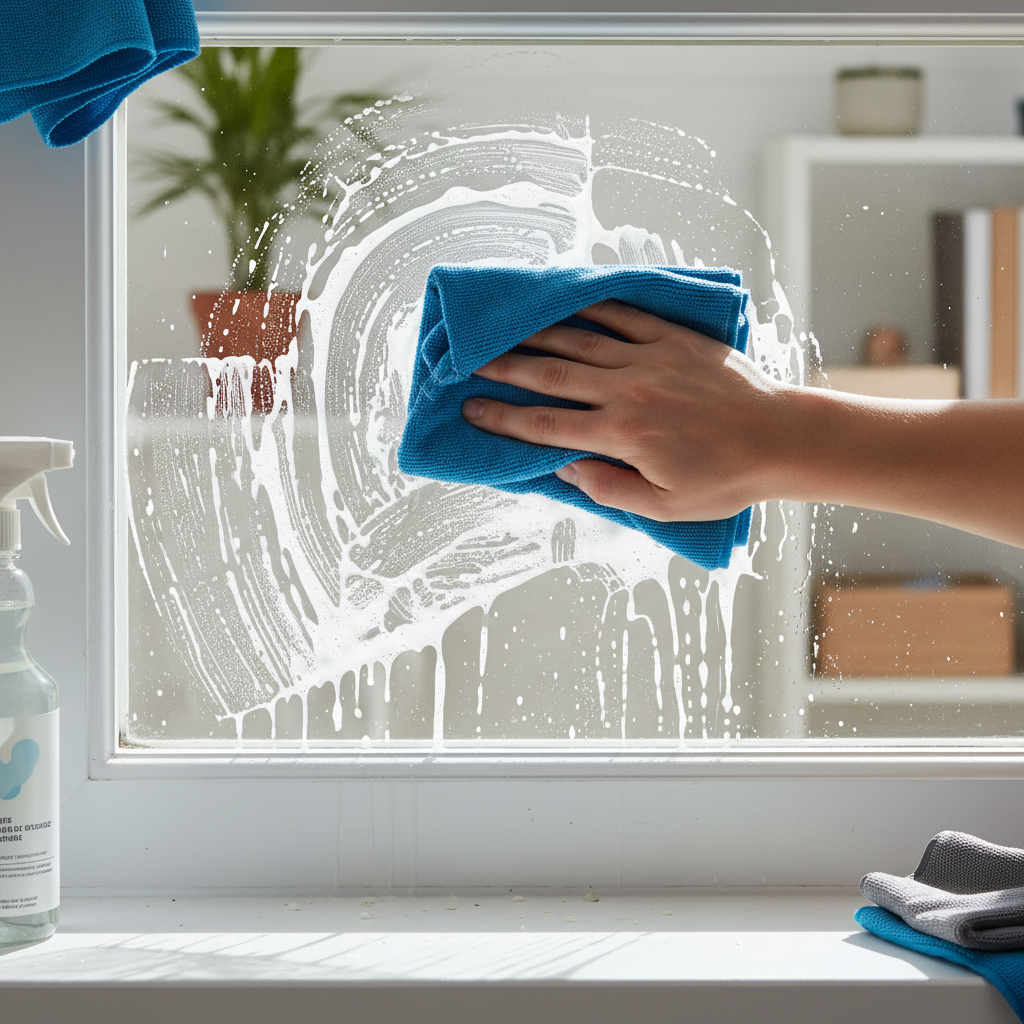
Many people swear by using newspaper to clean windows, but this method can lead to streaks and ink residue on the glass. Modern papers often use different inks and materials, which may not work as effectively as they did in the past.
Instead, use a microfiber cloth or a squeegee for a streak-free shine on your windows and mirrors.
Myth 5: Feather Dusters Are Effective
Feather dusters are often used to quickly dust surfaces, but they tend to spread dust around rather than collect it. This can make your cleaning efforts less effective.
For a more effective approach, use a damp microfiber cloth, which will trap dust rather than just move it around. This ensures that your surfaces are truly clean and dust-free.
Conclusion
By understanding and debunking these common cleaning myths, you can ensure a more effective and efficient cleaning routine. The experts at Kirksey Cleaning encourage you to always question old advice and stay informed about the best cleaning practices for your home.